Saturday, January 17, 2015

Familiar Hybirds

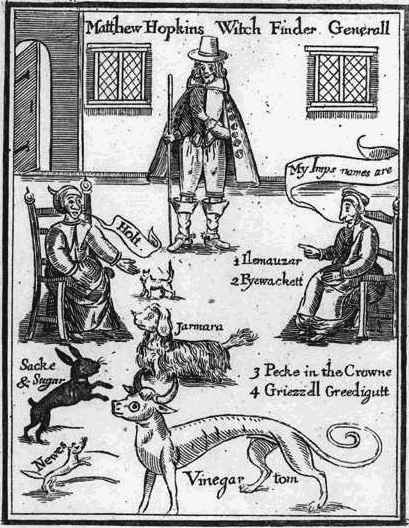
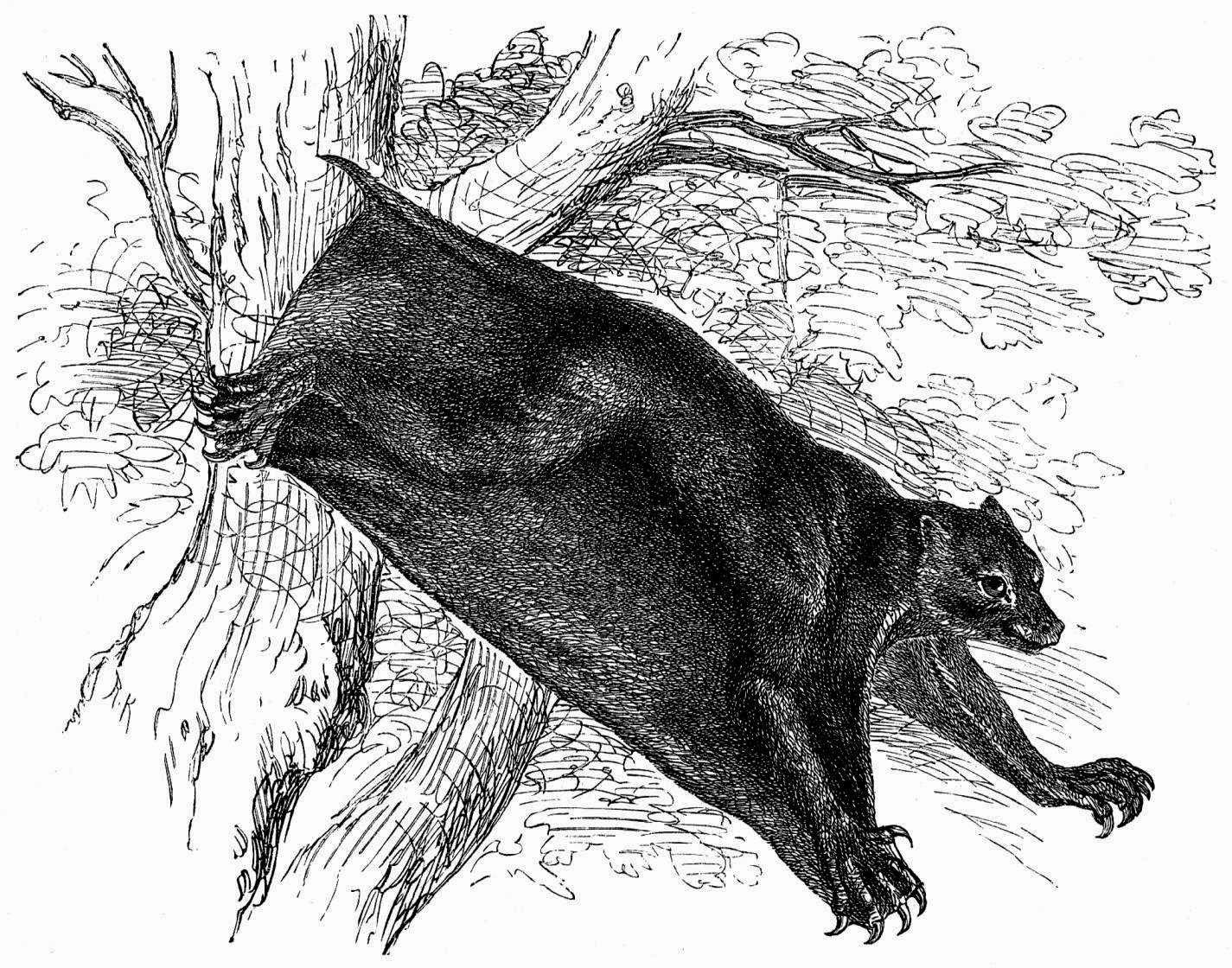
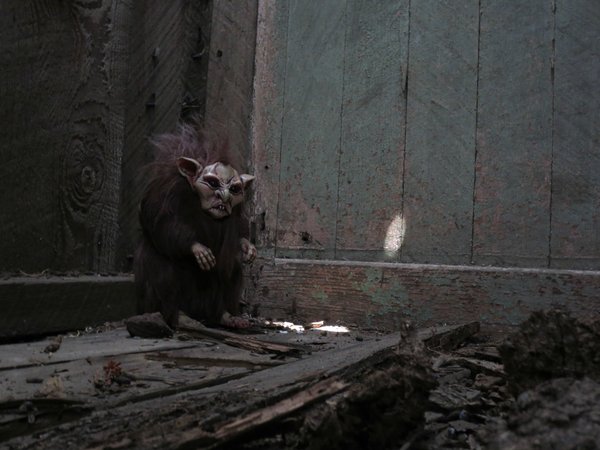
Imagine you have a cat. Or take a convenient cat as an example. Forget how you got it. Remember instead the night you stoked a brass brazier well with charcoal, burned those herbs, and the beast sauntered in hours later, trailing magic behind it, and spoke your name.

The magic that binds it to you likely binds its form. How might you adjust either? Perhaps by binding many spirits into one form.
  • Elixirs rendered from the bodies of other casters' familiars could instill their essence.
  • Certain powers might reward (or punish) you through your bond.
  • It may be part of your arcane studies; a way to enhance your servitor's capacities.
So, when that happens, by whatever means, roll 2d6 based on the essence of the infusion.
  • 1-3 is a cosmetic change, causing that many of the suggested alterations.
  • 4-5 is a new ability for the familiar, as well as all the cosmetic changes.
  • 6 is a spell the familiar can cast once per day, as well as the best case for the new ability and all the cosmetic changes.

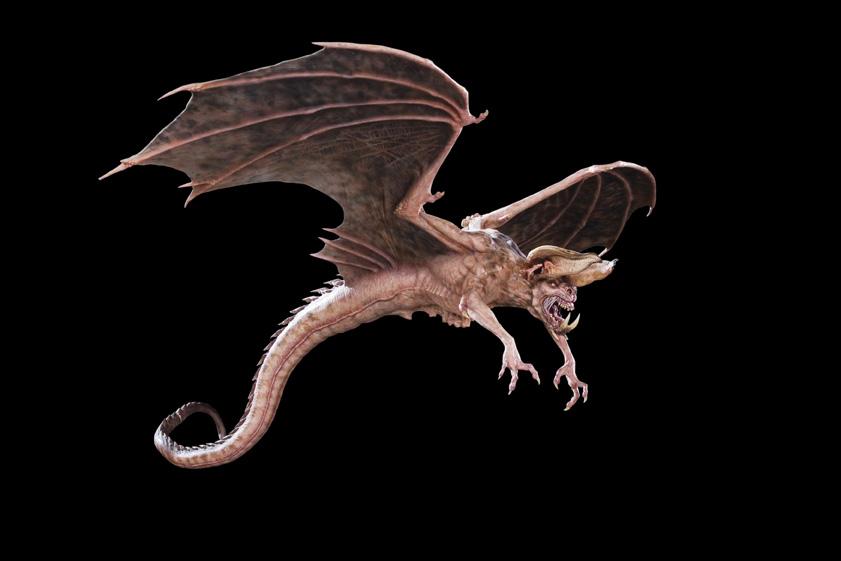
Bat

1-3 Large, complex ears; weird nose; beady, black eyes. Webbing on limbs; fine-furred pelt; ammonia odor.
4 Blindsight. Webbed wings and clumsy flight.
5 Blindsight. Webbed wings and graceful flight.
6 detect invisibility darkness


Cat

1-3 Reflective eyes; purrs; slitted pupils. Fangs; retractable claws; paces.
4 Darkvision. Can make a melee attack for 1 point of damage.
5 Darkvision. Can make a melee attack with dagger-like damage.
6 detect magic feather fall


Crow or raven

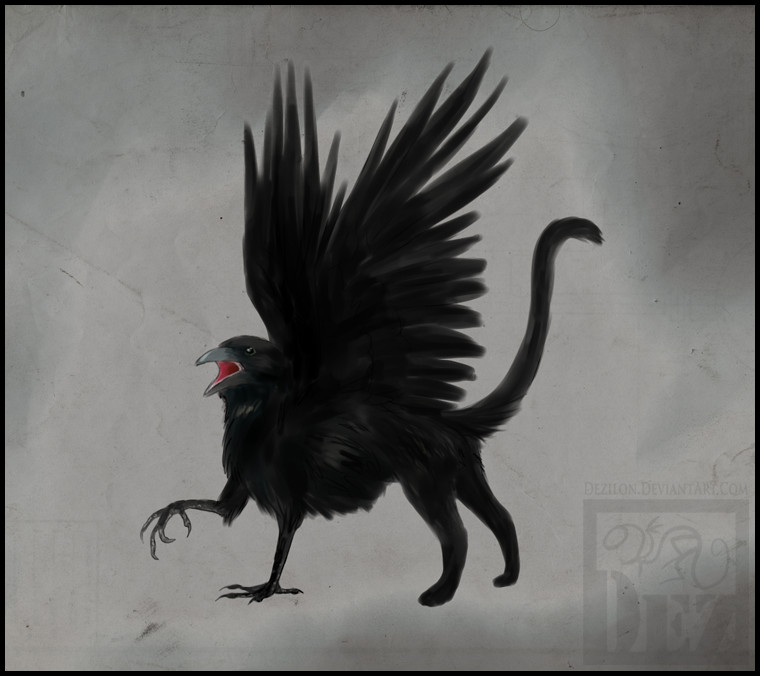
1-3 Long, black beak; glinting eyes; screeching call. Patches of black feathers; scaly, clawed feet; hops.
4 Speaks one language. Black feathered wings and clumsy flight.
5 Speaks two languages. Black feathered wings and graceful flight.
6 comprehend languages reduce

Owl

1-3 Short, hooked beak; huge, yellow eyes; hoots. Coughs up remains of food; patches of dark feathers; rotates head all the way round.
4 Darkvision. Dark feathered wings and clumsy flight.
5 Darkvision. Dark feathered wings and graceful flight.
6 identify invisibility


Snake

1-3 Flickering, forked tongue; slitted pupils; long fangs. Patches of scales; bands of colored patterns; slithers.
4 Venomous bite, with irritating effects. Long, sinuous body is difficult to grab and can wriggle through tiny spaces.
5 Venomous bite, with debilitating effects. Long, sinuous body is difficult to grab and can wriggle through tiny spaces.
6 ray of enfeeblement rope trick


Toad or frog

1-3 Bulging eyes; croaks; licks eyes. Patches of warty skin; hairless chest bulges with breath; flat, webbed feet.
4 Sticky, retractable tongue. 5 feet long, somehow. Swims.
5 Sticky, retractable tongue. 10 feet long, somehow. Can breathe water and air equally well. Swims.
6 magic mouth jump


Fiend

1-3 Eyes glow; horns; smiles. Body glints like a hot coal; shimmering aura of heat and fumes; sheds ash.
4 Speaks one language. Needle teeth. Resists damage from fire and cold.
5 Speaks two languages. Needle teeth. Immune to damage from fire and cold.
6 friends burning hands


Fey

1-3 Antennae; pupils vanish; musky breath. Sprouts patches of leaves, moss, or flowers; quick movement is blurred; sheds fine, glittering dust.
4 Speaks one language. Sings beautifully. Gossamer wings and graceful flight.
5 Speaks two languages. Sings beautifully. Gossamer wings and perfect flight.
6 charm person dancing lights


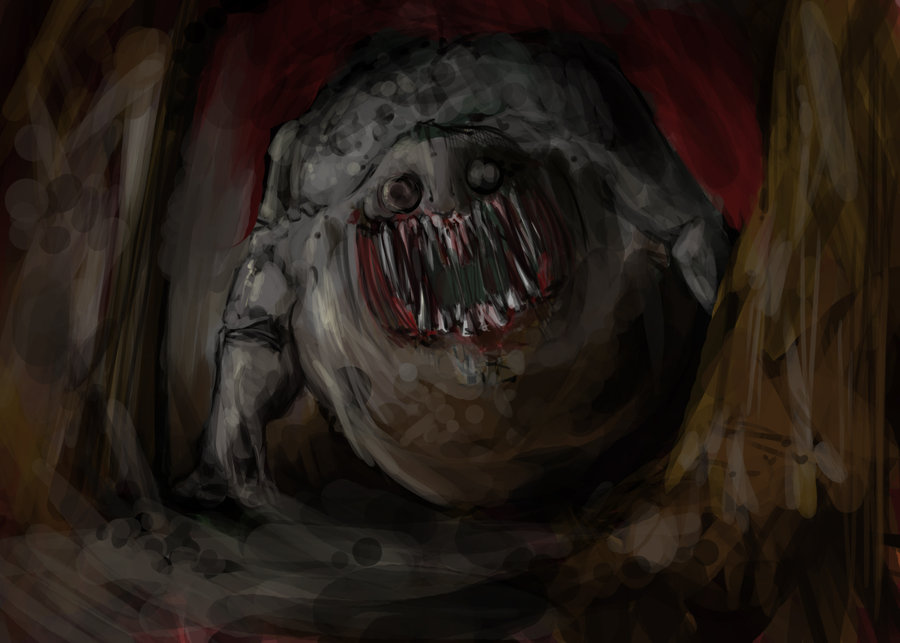
Eldritch

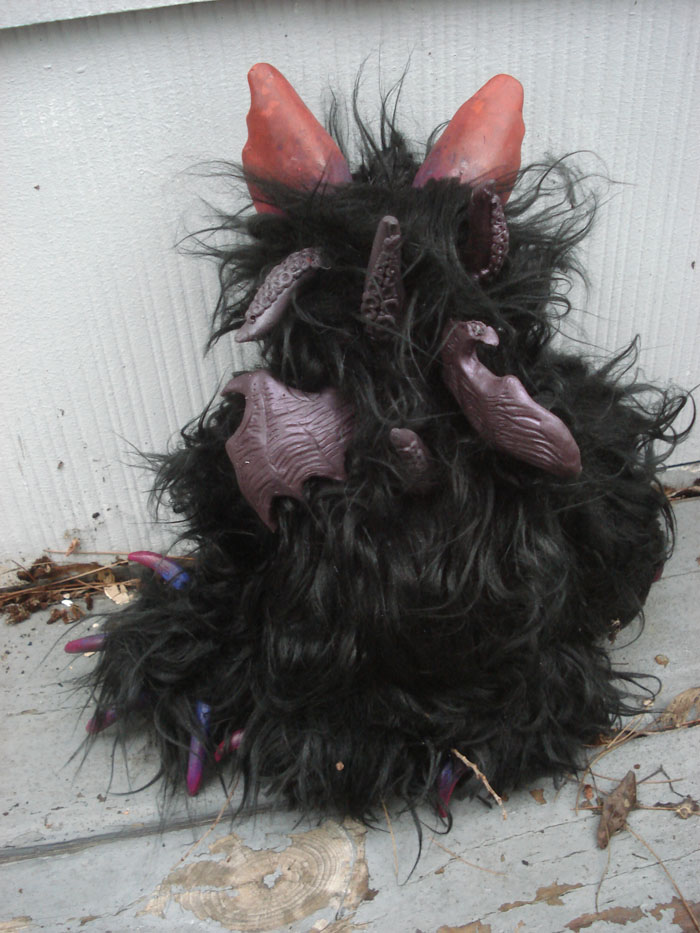
1-3 Grows this many additional eyes. Flesh becomes spongy; takes a moment to show up when you look at it; casts no shadow.
4 Speaks one language. Whispers and drools. Resists damage from non-magical weapons.
5 Speaks two languages. Whispers and drools. Immune to damage from non-magical weapons.
6 unseen servant fog cloud


Some considerations:

Sunday, January 11, 2015

33 Magic Items

No particular system or numbers assigned, though I did have a resource-scarce hexcrawl in mind while writing them. I got inspired by this list at Goblin Punch.
  1. A milky glass circlet with sweeping, needling pinnacles. Shadows or dim light near the wearer are filled a bright but eerie light. This sad, actinic light does not spread beyond the shade it supplants.
  2. This outsize obsidian dagger is flecked with white mineral starbursts. A wielder gets a bonus on any attack targets that are not bleeding, but could be.
  3. Blug-thug. Blug-thug. This pulsing yellow tumor the size of a fist enclosed is in leathery skin. It permanently adheres to any exposed flesh, slightly reducing maximum health. After a month, it falls off and gooily hatches a cadaverous homunculus in service of its bearer, at which point the health may be healed normally.
  4. A thin cloak well-tufted with broad gray feathers. In addition to being a normal cloak, in full sunlight, the feathers glimmer and turn translucent, granting the wearer a slight bonus to armor.
  5. Once per day this raggedy scarf can be wrung out to produce a flask’s worth of lantern oil.
  6. A hailstone pendant hung from braided grass cord never melts. Once per day it conjures a mist or a wind around the wearer.
  7. This tapering ash sapling taller than a man creaks and sprouts tiny leaves. As long as the root ball survives, this regrows its entire 2-inch wide, 10-foot long body each day.
  8. A small dead bird. It does not decay and is always ever-so-slightly warm to the touch. Poor thing. It will always be the heaviest item in a pair of scales.
  9. This glazed clay mug is studded with semi-precious green and purple gems. It violently explodes if any poison is placed within it.
  10. A pitted steel belt buckle shaped like a toothy maw, flocked with mothy furs. If the buckle is fed a day’s rations it protects the belt’s wearer from exposure to the elements that day.
  11. Rubbing this pungent salve into your muscles increases the damage die of your melee weapon or unarmed attacks by one size. However, whenever you roll maximum damage on one of these dice, you also take a small amount of damage from the strain.
  12. These light sandals can be partially unraveled to yield 50 feet of linen cord as strong as stout rope. Each such use has a 1-in-6 chance of causing them to fully unravel.
  13. A small gilt frame. Placed around a landscape painting, the scene comes to gentle life. Clouds gather and disperse, the sun rises and sets, the seasons are reflected. If the painting is of a real place, the changes will mirror it in nearly real time, though never with enough detail to make out individual people or words.
  14. Any ink stored in this stone inkwell becomes poisonous. A single letter written from it will have no effect, but handling frequent correspondence over a month or two gradually turns the victim’s blood to ink.
  15. This cowl is lined with mangy feathers and has a definite rancid whiff to it. At the center of the hood hangs a beak-like charm of bone and sinew. The foul owl cowl allows the wearer to understand the speech of owls, and once per night use a breath weapon - a stream of tiny bones, feathers, teeth, and fur, which causes a small amount of damage and may sicken or disease those struck.
  16. An iron needle with a delicate, vine-like filigree. When floated atop a tea brewed from a single herb, root, leaf, or berry, it points in the direction of the nearest growing plant of the same type. No indication as to actual distance is given, however.
  17. A dour lead bell with no clapper carved with a worm motif. When “rung”, it interferes with creatures who rely on vibrations to sense their surroundings or prey.
  18. These knucklebones are carved with dice pips. If they are tossed into a large pot or cauldron of boiling water along with a five day’s worth of rations, roll 2d6 - the rations are transformed into stew sufficient to feed that many people for a day. The knucklebones rest at the bottom and can be retrieved for use another day.
    If you roll a 12, the stew is particularly delicious and nourishing, and could provide a morale or resting bonus. On a roll of 2, the knucklebones cause the food to visibly spoil and curdle, then split and become useless.
  19. This heavy leather bag can capture a wind. Only one wind can be held at a time, even a magical one if the holder is prepared to catch it. When opened, any wind inside it quickly issues forth.
  20. A birch-bark scroll with runic letters excised from it. The air in the spaces shimmers as in a breeze, or a great heat. Those who can read the ancient words aloud can summon a nature spirit, at which point the scroll crumbles.
  21. This deck of cards is tattered and mismatched. Some cards are missing, and some are from unknown suites - the eight of spiders or the three of witches, for example. If scattered in the air, undead feel a powerful compulsion to gather the deck back together.
  22. This fragrant dried tea functions as a healing potion when brewed and drunk hot. It is less convenient than a traditional potion, but is also immune to spilling or freezing, or the corrupting presence of some unholy creatures.(Really any potion could be found in tea form.)
  23. An unassuming reed flute which can be used to teach songs to patches of living reeds or rushes.
  24. Mud, gravel, or silt piled by this shovel forms itself into a dwelling. In an hour a strong wielder can have a simple hut with a doorway and a couple open windows. In a day they can heap up a small tower with two or three floors and a parapet on the roof, all connected by ladders.
    The buildings lack any furnishings or moving doors, though the shovel can change shape via a command word to serve as a thin iron door for one passage. It attaches and hinges itself, and returns to its normal form at a command word.
    Buildings made with the shovel are noticeably crumbly, but sturdy. They collapse back into muck in a week without maintenance.
  25. This signet ring transmutes sand or clay into small, simple items such as mugs, plates, coffers, or figurines when pressed against them. The created items are of fair craftsmanship and always bear the ring’s seal - if it is somehow removed, they crumble or shatter immediately.
  26. A small bronze lanthorn whose plates of horn are shaved from an unknown beast. The lanthorn burns oil normally, but it can also burn secrets. Whispering one into it causes it to burn for minutes to hours, depending on the depth of the secret. Each can only be used once - the lanthorn remembers all the secrets it has ever burned.
  27. This tiny harness offers some magical protection to a familiar or favorite pet. In addition, it has two hidden extra-dimensional spaces among its straps and buckles, each large enough to hold a potion, dagger, scroll, coin purse, or similar small item.
  28. A pair of garnet dice which always show the same face up, no matter the distance between them. They always roll doubles.
  29. When cracked, this hollow-sounding egg hatches an entire flock of vigorous songbirds in moments.
  30. This stout hunting bow is set with moonstones and has a white leather grip. If drawn without an arrow nocked, it draws upon nearby light to form one, temporarily dimming its surroundings. These arrows are considered magical, and illuminate their flight. Their damage and brightness depend on the strength of the light they were formed from.
  31. Pungent vinegar sloshes in this rope-wrapped, glass gallon jar. Anything placed inside is preserved, perfectly pickled in moments.
  32. Filled with oil and herbs or leaves, this silver censer produces smoke repellent to insects. If the herbs are specially gathered for such a purpose, the censer increases their potency, but anything even vaguely scented will work. Giant or magically controlled insects have a chance of withstanding the smoke.
  33. Five fleas in a little tin box. Anyone who welcomes these five fleas onto their body will only ever have these five fleas, as they will bravely hunt down and destroy any invaders to their home, including lice, ticks, mites, or other such nuisances. But they will always have these five fleas.

Wednesday, October 22, 2014

A Fantasy RPG Economy

Some Background

I'm running a homebrew hexcrawl game where the characters have all been sent into a northerly wilderness to subdue and claim it for "The Empire". They are mainly exiles, criminals, or debtors, and have only the resources the land offers and what they carried with them. Soon a larger group of settlers will follow them and likely begin forming a settlement.

To emphasize the isolation we're using a slightly more complex food tracking system than I usually would. There's not really an option to go buy more rations in town at the moment - nobody has built the town yet. So they're hunting and foraging as they go, watching some food go bad before it can be eaten or preserved, and dipping into a dwindling supply of rations at times.

Last session they found a stream full of fish. The excitement at this, something normally reserved for treasure hordes in fantasy RPGs, suggested the approach is working.

Likewise, I don't normally go in for crafting systems much, but here it's going to be important to know what you can make and how long it will take, because that's probably the only way to get it. This is some serious frontier business - if your axe breaks, that was probably your only axe.

Crafting & Money

This game is using silver pieces (sp) as its baseline currency. A silver piece is worth 10 copper pieces (cp) - if most people have actual coins on them, they will be copper. 10 silver are worth one gold piece (gp), which are either old or used by institutions. We're four sessions into the current game and there's no hint of gold.

Here are the current crafting rules. Checks are usually just d20 plus the appropriate ability. If what's being attempted is something the character has training in, also add d6.

In an 8-hour workday, you can convert 1 copper piece worth of materials into 2 copper pieces worth of goods for each point of your skill check.
Skilled or desperate crafters can apply challenges to their check at -5 each:
  • If the item you’re attempting to craft requires specialized training you do not possess.
  • Make a check every hour instead of every day.
  • You are trying to create an item of exceptional quality.
If your challenged check is 10 or less, your efforts use up double the usual materials.
If your challenged check is 5 or less, any progress is lost and the item ruined, and you must pass a saving throw or trigger some calamity - the workshop is damaged, the stores of materials polluted, or something similar. 
So, given an average ability is 0 and an average d20 roll is 10, an average worker can expect to turn 10 cp worth of materials into 20 cp worth of goods. Assuming they keep 10 cp worth of that for the next day, they earn 10 copper in profit on an average day, and probably follow a budget like this.

ExpenseCostNotes
short term saving1 cpabout 3 sp a month, which buys a tool, a suit of clothes, a head of livestock, or a lantern.
long term saving1 cpabout 3.5 gp a year, which buys a weapon and shield, or a mount.
taxes1 cp
lodging & upkeep3 cprelatively small, clean, and safe.
food3 cp
discretionary1 cpa few drinks at the pub.

That means in this economy a person can live reasonably well for 10 cp, or 1 sp, a day.

Someone who can call on that extra d6 for their check is going to have a few more cp to throw around or save most days.

Notable characters have abilities between 1 and 4 at low levels,

Food & Materials

The game also uses three broad categories of food.

Item Cost Load Notes
Provender 1 cp 3 Flour, vegetables, beans, tubers, game. Raw, bulky, prone to spoiling.
Provisions 2 cp 2 Bread, fruit, dressed meat, milk, oil. Resists spoiling.
Rations 4 cp 1 Cheese, biscuit, sausage, nuts, salt. Compact and almost never spoils.

An adult human needs one “unit” of food per day if they are undergoing strenuous activity (exploration, combat, or hard labor). Otherwise, they need half that much.

A full day of foraging can acquire 1 unit of provender for every 2 points of a Wisdom skill check. A forager can thus provide for 5 people on an average day in good conditions.

The notion here is foraging is almost certainly going to yield something, though it may not always be a lot. I will probably use the "you get 1 unit of stuff for every X points of your skill check" for other gathering tasks, like wood or stone, when it comes time to start building things.

Hunting requires a successful Dexterity check of 10 or better to secure d10 provender in the form of game. On a result of 15 or more, a plentiful hunt represents an additional d6 provender.

Unlike foraging, there is no assurance of finding something to hunt, or killing it if you do, so you may come home empty handed. However the reward of taking a large game animal is potentially a great deal of food.

At some point I'll probably use the "hit a target number to get dY units of stuff" for mining as well.

Preserving Food

You can craft with food to make it easier to carry and resist spoiling:
  • If your check is a 10, that means you can turn 10 cp worth of provender (which is 10 units) into 20 cp worth of provisions (which is also 10 units).
  • If you want to turn that provender into rations, the same roll will make 20 cp worth of rations, which is only 5 units.
  • However if you take the 10 provender, and turn that into 10 provisions, and then turn those into rations, the roll of 10 means you've still only created 5 rations, but you have 5 provisions still hanging around, so still 10 days worth of food. (Well, minus the two you probably ate.)
Somehow that feels right to me.


Monday, April 7, 2014

character origin crimes

Roll 2d6 four times:

2d6You...your...out of...but...
2murderedemployermadnessyou liked it.
3attackedteacheraddictionyou'd do it again.
4swindleddebtorsfearyou almost got away with it.
5robbedcommunityjealousyit needed to be done.
6abandonedpositionloveyou have nothing to show for it.
7slightedliegedesperationthey can't really prove it.
8desertedspousevengeanceyour memory is hazy.
9obeyedchildconvictionit gnaws at you.
10denouncedlandgreedyou were ordered to.
11defamedancestorsinactionthere was precedent.
12blasphemedchurchcuriosityyou were framed.

Each column is very broadly ranged from material/carnal to conceptual/intellectual which could allow different settings to tweak their results for each fairly easily with a positive or negative modifier. Like if you wanted characters with reasonable doubt as to their guilt, add 4 to your roll in the last column.

Some tests!
  • You slighted your spouse out of vengeance but they can't really prove it.
  • You obeyed your liege out of love but there was precedent.
  • You defamed your liege out of desperation but you have nothing to show for it.
  • You murdered your ancestors out of inaction but you almost got away with it.

Sunday, March 16, 2014

Point-buy weaponry idea


Weapons do d6. You have to end at 0 points for a common weapon or 1 point for a military one.
  • Increase damage to d8 - 1 point.
  • Increase damage to d10 - 2 points.
  • +1 damage - 1 point.
  • +1 to hit - 1 point.
  • Light - costs 1 point. Lets Dexterity be used for melee attacks with this weapon.
  • Reach - costs 1 point.
  • Short range - 1 point.
  • Medium range - 2 points.
  • Long range - 3 points.
You can get extra points to spend by:
  • Decrease damage to d4 - Gives 2 points.
  • Two-handed - Gives 1 point. heavier, increased cost, can't use a shield or off-hand.
I'm intending this for a sort of crazy dungeon hex crawl where characters may have come from many backgrounds and will be encountering who knows what. I wanted a way PCs and monsters to wield basically whatever they could describe, but also something about the Dungeon World-style "this class rolls this die for damage no matter what they wield" approach didn't feel right here.

Some examples of trope weaponry:

Unarmed
d4 (-2) + light (1) = -1.
A special case that is intentionally not as good as other options.

Club
d6 = 0.
 
Knife
d4 (-2) + light (1) + +1 to hit (1) = 0.

Sling
d4 (-2) + medium range (2) = 0.

Spear
d4 (-2) + reach (1) + close range (1) = 0.

Staff
d8 (2) + two-handed (-2) = 0.

Battleaxe
d6+1 (1) = 1

Bow
d6 (0) + long range (3) + two-handed (-1) = 2
This one doesn't fit the pattern, which likely means it costs a lot more money, which bows do, so that works out. You could imagine a simpler hunting bow of medium range and normal cost, but that is functionally a:

Crossbow
d6 (0) + medium range (2) + two-handed (-1) = 1

Dagger
d4 (-2) + close range (1) + light (1) + +1 to hit (1) = 1

Great Sword
d10 (2) + two-handed (-1) = 1

Hand Axe
d4 (-2) + +1 damage (1) + close range (1) + light (1) = 1

Longsword
d8 (1) = 1
 
Mace
d6 (0) + +1 to hit (1) = 1

Polearm
d8 (1) + reach (1) + two-handed (-1) = 1

Rapier
d6 (0) + light (1) = 1

Saturday, March 15, 2014

Different take on new Wayshielders leveling


The table in this post showed aspects like they were locked into order. The intent is actually that the one that starts at rank 1 can become your focus over time.

Also this replaces "all defenses +1" with tiers, which apply as a bonus to all defenses and attacks. It's very likely some aspects will improve based on tier as well. It's some light baseline advancement as well as shorthand for "for every six levels you have, ...".

Oh and it has XP values on it. I'm considering going with a smaller scale than normal where it's 100XP per level instead of the more common 1000. Wondering if it will make the game feel more accessible.

Level
XP
Benefit
Level
XP
Benefit
1
0
Gain one aspect at rank 2. Gain one aspect at rank 1.
11
5,500
Increase an aspect at rank 3 to rank 4.
2
100
Increase one ability by 1.
12
6,600
Tier 2.
3
300
Increase an aspect at rank 1 to rank 2.
13
7,800
Increase an aspect at rank 1 to rank 2.
4
600
Focus boost.
14
9,100
Increase one ability by 1.
5
1,000
Increase an aspect at rank 2 to rank 3.
15
10,500
Increase an aspect at rank 3 to rank 4.
6
1,500
Tier 1.
16
12,000
Focus boost.
7
2,100
Gain one aspect at rank 1.
17
13,600
Increase an aspect at rank 4 to rank 5.
8
2,800
Increase two abilities by 1.
18
15,300
Tier 3.
9
3,600
Increase an aspect at rank 2  to rank 3.
19
17,100
Increase an aspect at rank 2 to rank 3.
10
4,500
Focus boost.
20
19,000
Increase two abilities by 1.
EDIT: shifting things around a bit after looking at how the numbers played out in later levels.

Wednesday, March 12, 2014

Revisiting Wayshielders

My first few tests of Wayshielders did not run as well as I'd hoped. It may be that the aspects of modern and old school gaming I was trying to smash together are not well compatible. However I think there are a lot of ideas and design that can be salvaged.

It was an attempt to combine the "rulings not rules" and "player skill not character skill" concepts of old-school games with the resource management and tight tactical combat of more modern games. The long list of abilities for each class and their interactions seemed to be the tripping point (well, not that long - nine per class with a few tags on each). That was several months ago and I mostly put Wayshielders to the wayside.

A discussion about character resources in Sully's Dungeon World game, specifically the notion of an animal companion as a resource that could be threatened or expended, got me thinking about Wayshielders again.

No classes, but aspects

You can model most character archetypes with just a couple main concepts and a supporting one. A ranger is an archer with an animal companion who dabbles in nature magic. A barbarian wields a large weapon, is prone to enrage, and knows a bit of thievery. A cleric is a divine servant and a healer who is capable on the battlefield.

With that thesis in mind, I'm looking at moving away from classes to aspects. (Aspect is a working title here. Something better may suggest itself.) An aspect is a collection of three passive and two active abilities. The way the leveling system is paced out at the moment characters would start with two "ranks" of one aspect and one "rank" of another, giving them two passive and one active abilities, which feels manageable at first level. At 20th level they'd have 5 "ranks" in one, 4 in a second, and 3 in a third, meaning 5 active abilities and 7 passive - still manageable.

Hirelings might have a single aspect. Followers might have two. For a grittier game you could apply the same limitations to characters.

Here's how the leveling scheme looks at the moment:
levelaspect oneaspect twoaspect threeother
1one active, one passiveone passive
2focus boost
3one active
4one ability +1
5one passive
6all defenses +1
7one passive
8focus boost
9one passive
10two abilities +1
11one active
12all defenses +1
13one active
14one ability +1
15one active
16focus boost
17one passive
18all defenses +1
19one passive
20two abilities +1

Focus. Focus.

I'm looking at having one unified resource currently called "focus". Focus is rolled at the start of each combat (not sure of the die size yet) plus your Wisdom. Any damage is subtracted from focus first. 

There is a “defend” action that increases your defenses and restores some focus as well. Some of the active abilities could enhance your defend action - commander could give focus to allies for example.

I think using focus as the resource makes sense. It’s very easy to see for magical aspects. If a rogue-like character uses focus to backstab, their defend action might represent getting into and advantageous position again for example. Also many non-magical aspects can believably grant focus.

HP will need a bit of rebalancing in light of this most likely. Totals of HP and focus feel like they will be too high as currently written. But you also don’t get to roll focus until you’ve acted - being caught unawares is deadly.

As you level you will either get to roll larger or more focus dice. (Remember that in Wayshielders if you roll multiple dice you just take one of your choice.)

Monsters and hirelings most likely will not get focus, though perhaps some advanced monsters will. Also commander-type characters become more valuable because they can give hirelings focus.

There will likely be a defend action which grants some temporary defense boosts and allows you to restore or re-roll your Focus. Imagine that some aspects will play off this.

Fear and confusion effects could attack focus. In some ways nicer than forcing people to run around or roll on a random action table.

Play-by-post

I'm thinking of using this for a play-by-post hexcrawl where we'd have a weekly face-to-face session to resolve any conflicts that couldn't be worked out in text. Many of the potential players aren't familiar with games of this ilk but are into strategy games, so keeping the rules light with the capacity for emergent complexity will be even more important.

Some potential aspects

In gloriously incomplete and scribbly form without numbers to back them up.

Commander

Passive 1 - A morale bonus to hirelings in melee with you.
Active 1 - Your defend action grants some focus to allies in melee with you.

Berserker

Passive 1 - You get a bonus to melee hit and damage if you have no focus.

Void Disciple

Passive 1 - You get a bonus to Move while in shadows.
Active 1 - Spend focus to give your attack a chance to blind its target.

Brawler

Passive 1 - You get a bonus to melee hit and damage while unarmed.
Active 1 - Spend focus to give your unarmed attack a high chance to disarm its target.

Anatomist

Active 1 - Heal HP at the cost of the target's focus.

Assassin

Active 1 - Spend focus to deal extra damage when striking from hiding.